
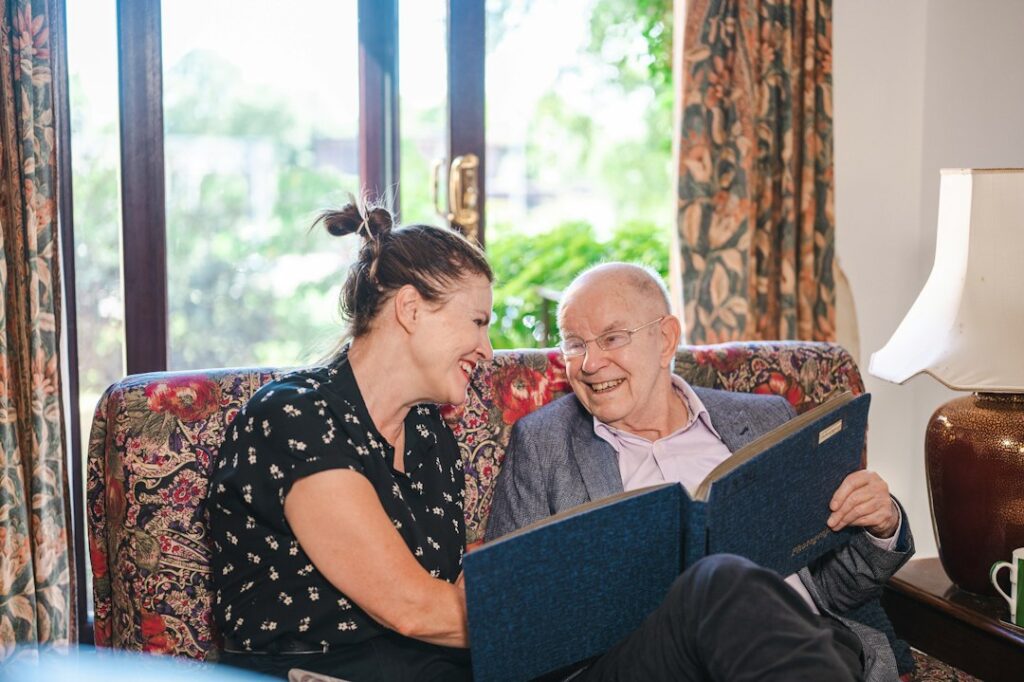
Assisted living is designed to provide support without removing a person’s identity, routines, or ability to make choices. In Duquesne, PA, residents and families may wonder whether moving into assisted living means giving up control over meals, schedules, personal belongings, visitors, or healthcare decisions. In a well-run residence, individual preferences are part of everyday planning, not an afterthought.
What does person-centered assisted living mean?
Person-centered assisted living means care is organized around the resident’s abilities, needs, values, and preferences. Staff members provide assistance where it is needed while encouraging residents to remain involved in decisions about daily life.
A resident may need help with bathing, dressing, medications, mobility, or housekeeping while still choosing:
- What time to wake up and go to bed
- Which clothing to wear
- Whether to join an activity or spend time privately
- How to arrange personal belongings
- Which visitors to see and when
- How to practice religious or cultural traditions
- Which foods, hobbies, and routines matter most
The purpose is not to make every resident follow the same schedule. It is to provide enough support for people to remain as independent and comfortable as possible.
How are preferences identified?
Preferences are usually discussed during the assessment and move-in process, then reviewed as needs change. A resident, family member, designated representative, and staff may talk about personal history, health needs, daily habits, and safety concerns.
Useful questions include:
- Does the person prefer a quiet morning or an early start?
- Are there foods, textures, or ingredients they avoid?
- What routines help reduce anxiety or confusion?
- Which personal care tasks should be handled privately?
- What activities feel meaningful rather than merely entertaining?
- Who should be included in important decisions?
- What traditions, language needs, or spiritual practices should be respected?
These details should be reflected in a support plan or similar care documentation. A support plan is more useful when it describes the resident as a whole person instead of listing only medical tasks.
For example, “needs assistance with dressing” is a basic care instruction. “Prefers to select clothing the night before and needs extra time in the morning” provides information that better supports independence.
Can residents choose their own daily schedule?
Often, yes. Assisted living residences generally have operating routines for meals, medications, transportation, activities, and safety checks, but residents may still have flexibility within those boundaries.
A resident may prefer breakfast later, take a rest in the afternoon, or skip a group activity. Some people enjoy a full calendar of social programs, while others prefer reading, watching television, listening to music, visiting with family, or sitting outdoors.
Schedules may need to be adjusted when medication timing, transportation, therapy, or health conditions are involved. Even then, staff should explain the reason for a schedule and look for alternatives when possible.
In a community with changing weather, residents may also need help adapting routines during cold winter days, summer heat, rain, or severe weather alerts. Preferences might include keeping outdoor time earlier in the day during hot weather or having indoor alternatives when sidewalks and roads are unsafe.
How are food preferences handled?
Meals are a major part of daily comfort and personal choice. Residents should be able to discuss favorite foods, dislikes, allergies, cultural traditions, religious restrictions, and medically recommended diets.
Choices may include selecting between meal options, requesting substitutions, choosing portion sizes, or having snacks available at preferred times. Some diets, such as those for diabetes, swallowing difficulties, or food allergies, may require specific limits. Those restrictions should be explained clearly rather than treated as unexplained rules.
Families can help by sharing familiar recipes, typical mealtimes, favorite snacks, and foods associated with holidays or family traditions. Small details, such as preferring coffee instead of tea or eating dessert with lunch rather than dinner, can help a new setting feel more familiar.
Can residents personalize their living space?
Pennsylvania assisted living residents generally have rights related to personal possessions, clothing, privacy, and furnishing their living units. Within residence safety rules, familiar items can make a room feel more like home.
Personal touches may include:
- Family photographs
- A favorite chair
- Quilts or blankets
- Books and music
- Artwork
- A calendar or familiar clock
- Small decorations connected to holidays or traditions
Families should ask about room dimensions, electrical safety, mobility equipment, and items that may create tripping or fire hazards. The goal is a comfortable space that remains safe and easy to navigate.
Seasonal clothing is also part of personal dignity. Residents should have access to clean clothing appropriate for changing conditions, including warm layers, rainwear, comfortable footwear, and lighter clothing for humid summer weather.
How are privacy and personal care preferences protected?

Personal care should be provided with dignity and respect. Residents may have preferences about the gender of a caregiver when available, the order of bathing and dressing tasks, preferred toiletries, or how much assistance they want to provide themselves.
Privacy should be protected during bathing, dressing, changing, and medical procedures. Staff should explain what they are doing, ask permission when appropriate, and avoid rushing a resident unnecessarily.
A resident who can complete part of a task should be encouraged to do so. For example, a person may be able to wash their face, choose clothing, or brush their hair even if assistance is needed with other parts of the routine.
What if a resident’s choices involve some risk?
Individual choice does not disappear because a person needs assistance. At the same time, a residence must consider risks involving falls, wandering, medication errors, unsafe transfers, nutrition, and severe weather.
The goal is usually to balance independence with safety. Staff may discuss alternatives, add supervision, change the environment, or create an informed agreement about a choice that carries risk.
For example, a resident who wants to walk independently may be offered a safer walking route, mobility support, better lighting, or a specific time for supervised outdoor activity. A blanket prohibition may not be the only solution.
Residents and their representatives should ask for an explanation when a preference is denied. The discussion should focus on the specific risk, possible alternatives, and whether the support plan can be adjusted.
Can families help preserve individual preferences?
Families can provide information that staff may not learn through a brief assessment. A written personal profile can describe a resident’s former occupation, favorite music, important relationships, routines, sources of comfort, and signs of distress.
Families can also:
- Bring familiar clothing and personal items
- Share preferred names and forms of address
- Explain cultural or religious practices
- Attend care planning discussions when invited
- Report changes in mood, appetite, sleep, or behavior
- Ask whether preferences are being followed consistently
The resident’s own wishes should remain central whenever the resident can express them. A family member may offer useful background, but personal choices should not automatically be replaced by family preferences.
What should residents ask before moving in?
A residence may have different policies for schedules, meals, visitors, transportation, personal furniture, pets, activities, and healthcare providers. Residents and families should ask specific questions instead of assuming every assisted living setting operates the same way.
Helpful questions include:
- How are personal preferences recorded and reviewed?
- Can residents choose when to wake up and go to bed?
- What meal choices and substitutions are available?
- How are privacy requests handled?
- Can residents leave and return according to their support plan and residence rules?
- How are complaints or disagreements addressed?
- Who participates in updating the support plan?
- What happens if care needs change?
In Pennsylvania, assisted living residents have rights related to dignity, privacy, visitors, communication, personal possessions, healthcare access, complaints, and participation in residence life. Understanding those rights can help residents speak up when daily services do not reflect their documented needs and preferences.
